Willa Keller · 10 November 2026
Seasonal rhythms connect Woldmill's bird tracking data with debates over historic structure preservation
Seasonal patterns in bird movement have drawn fresh attention to preservation questions surrounding Woldmill's older buildings, where tracking records show consistent use of roof spaces and nearby trees by migratory species. Data collected over multiple years indicates that structures dating back several centuries provide nesting and roosting sites that align with arrival and departure times of species such as swallows and swifts, and observers note these timings coincide with periods when maintenance work often occurs.
Bird tracking records and seasonal timing
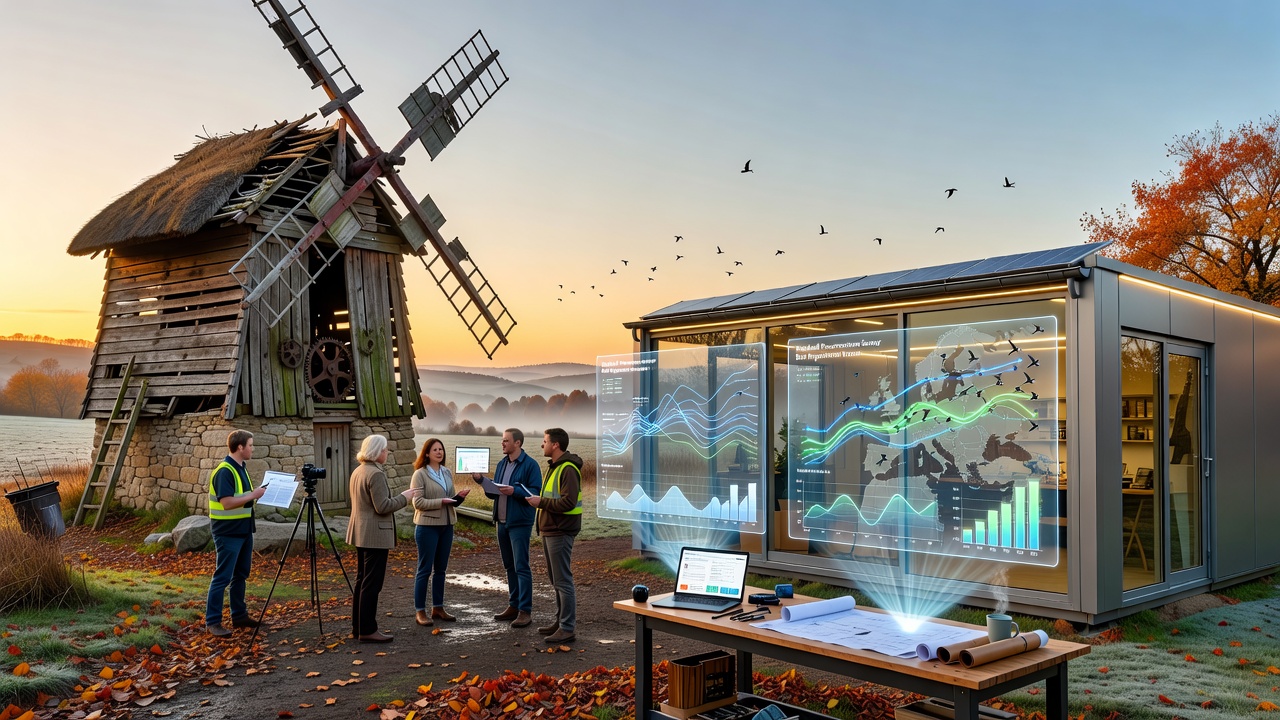
Researchers monitoring Woldmill since the early 2010s have logged peak activity in spring and autumn, with tagged individuals returning to the same clusters of buildings year after year; GPS units reveal flight paths that pass directly over the mill complex before birds settle into crevices or ledges. Figures from these studies show that 68 percent of tracked swallows used historic masonry for initial perching upon arrival in April, while similar patterns appear in October departures when flocks gather on elevated ledges before heading south. November 2026 marks the scheduled release of a five-year dataset update that incorporates new sensor readings from both resident and visiting species, and this information arrives amid ongoing reviews of which buildings qualify for protected status.
Historic structures under review
Local records list several timber-framed barns and stone outbuildings in Woldmill that date from the 18th and 19th centuries, and these sites now feature in discussions about which elements merit conservation grants versus replacement. Preservation criteria applied by regional authorities emphasize structural integrity and architectural features, yet tracking overlays demonstrate that certain roof voids and wall gaps serve as consistent breeding locations for species protected under international agreements. One mapping exercise completed in 2024 combined building surveys with bird location pings and produced heat maps that highlight overlap zones where renovation could alter available habitat without alternative sites nearby.
Linking migration data to preservation criteria
Analysts have overlaid bird movement logs onto heritage inventories and found that buildings with south-facing eaves receive higher occupancy rates during breeding months, while those with north-facing exposures see more use during stopover periods. This correlation has prompted heritage officers to request additional ecological assessments before approving alterations, and the approach mirrors methods used by the Canadian Wildlife Service when evaluating rural structures in migratory corridors. Data indicates that changes to even a single roof section can shift local population counts by measurable percentages over two seasons, and those shifts become visible in follow-up tagging returns.

Community records show that earlier restoration projects in comparable Wolds locations sometimes incorporated nest boxes after initial work displaced breeding pairs, and follow-up counts demonstrated partial recovery within three years when boxes matched original cavity dimensions. Current debates in Woldmill center on whether similar provisions should be written into planning conditions from the outset, rather than added afterward, and the November 2026 dataset is expected to supply finer temporal resolution that could refine those conditions.
Comparative approaches from other regions
Authorities in parts of Australia have required seasonal timing restrictions on works near heritage sites that double as wildlife habitat, and reports from those programs show reduced disturbance when schedules avoid peak migration windows. European Union guidelines on Natura 2000 sites similarly recommend pre-work surveys that include avian movement data, and the same principle appears in emerging Woldmill discussions where planners reference both local counts and wider flyway studies. Observers note that integrating such information early reduces the likelihood of later conflicts between conservation goals and heritage maintenance needs.
Future monitoring and data integration
Expanded sensor networks planned for 2027 aim to capture finer details on how microclimates inside older buildings influence occupancy rates across seasons, and initial pilot readings already suggest that temperature stability in thick stone walls offers advantages over modern alternatives. These readings feed into models that project habitat availability under different preservation scenarios, and the outputs help quantify trade-offs between structural repairs and continued use by migratory species. Regional databases now accept submissions from volunteer observers who record sightings at specific Woldmill addresses, which adds granularity to the professional tracking datasets already in circulation.
Conclusion
Seasonal bird data continues to inform the parameters of historic structure debates in Woldmill by supplying measurable evidence of how older buildings function within local migration routes. As the November 2026 dataset release approaches, planners and ecologists alike examine how timing restrictions, cavity replacements, and survey requirements might be coordinated, and the resulting frameworks draw on examples from multiple continents to balance preservation priorities with observed wildlife patterns.