Uma Franke · 29 September 2026
Woldmill's Stream Cleanup Sparks Unexpected Discoveries in Local Wildlife Patterns
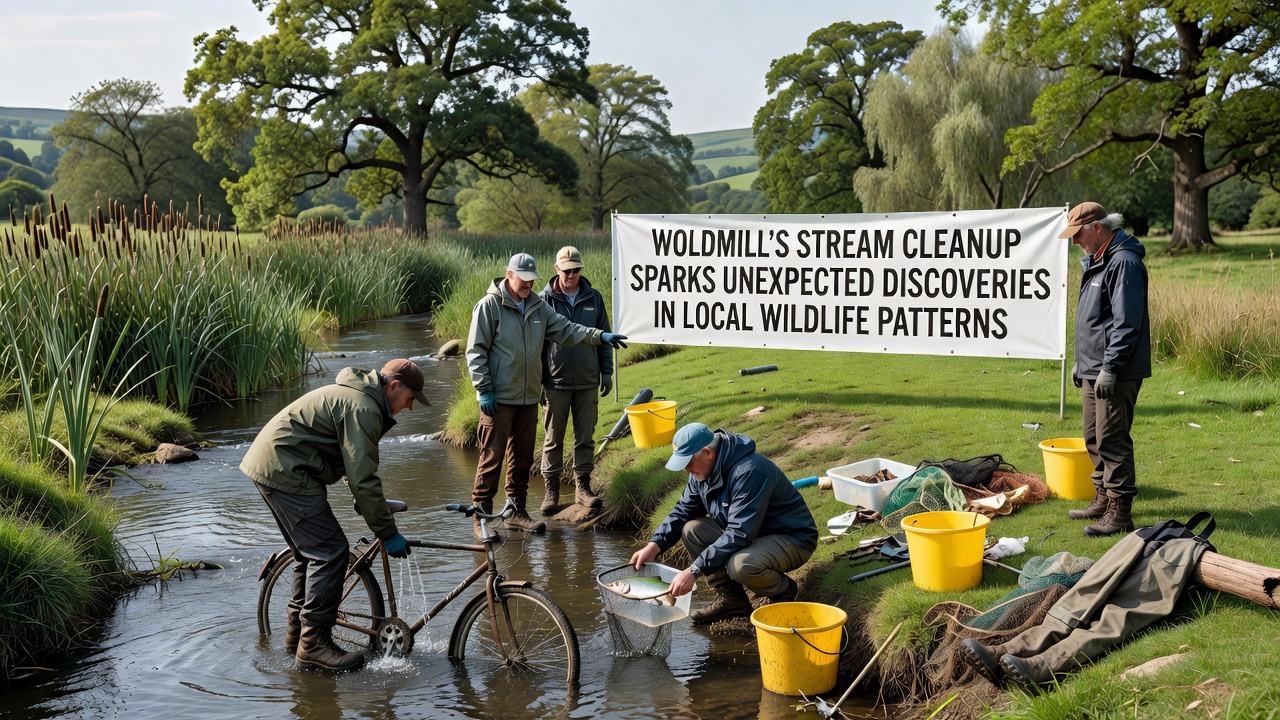
Volunteers in Woldmill organized a stream cleanup initiative that began in early 2025 and continued through multiple phases into the following year, and the effort produced records of shifts in local wildlife behavior that researchers had not anticipated from such projects. Teams removed accumulated plastics, sediment, and organic waste from the waterway that runs through the village center, while monitoring equipment captured data on species presence both before and after the work. Observers noted changes in bird foraging routes, fish spawning sites, and insect emergence cycles that appeared linked to the improved water flow and reduced pollution levels.
Planning and Execution of the Cleanup
Local heritage groups coordinated with environmental agencies to map debris hotspots along the stream banks, and the project received support from regional conservation networks that supplied tools and safety training for participants. Work focused on sections near the historic mill site where water had slowed due to blockages, and crews used manual methods alongside light mechanical assistance to avoid disturbing the surrounding soil structure. By September 2025 the main channel showed visible improvement in clarity, yet follow-up surveys extended into 2026 to track longer-term effects on the ecosystem.
Records from the initial surveys documented baseline conditions including water pH levels, oxygen content, and visible macroinvertebrate counts, while post-cleanup measurements revealed measurable increases in dissolved oxygen that aligned with greater fish activity in previously avoided stretches. Those involved collected photographic evidence of cleared areas and shared findings through community updates that drew attention from nearby parishes facing similar waterway issues.
Wildlife Observations Following the Work
Ornithologists monitoring the area recorded kingfishers returning to perches that had remained empty for several seasons, and data loggers placed along the banks showed altered flight paths for several passerine species that now crossed the stream more frequently during feeding times. Amphibian surveys conducted in spring 2026 indicated higher numbers of frog tadpoles in side pools that had been inaccessible before debris removal, suggesting improved breeding habitat connectivity.
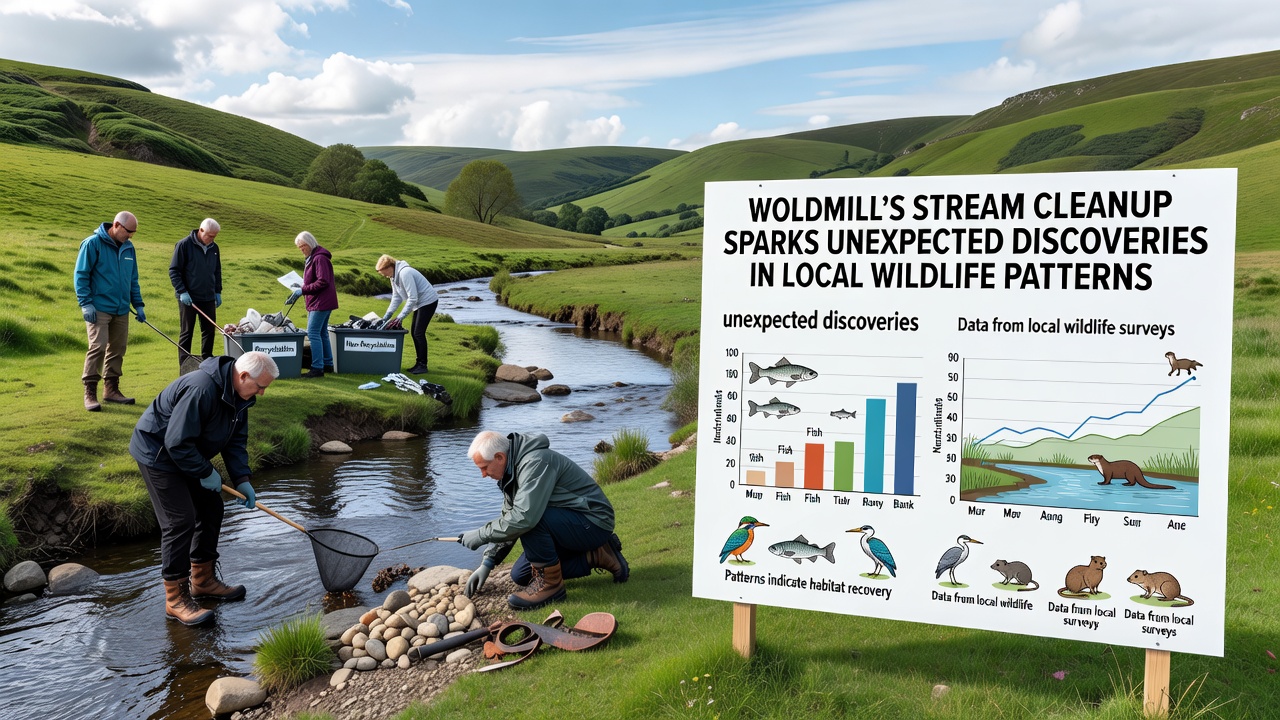
Insect traps set at regular intervals collected samples showing earlier emergence of certain caddisfly species compared with previous years, and researchers attributed the timing shift to faster water movement that reduced silt cover on submerged rocks. Mammal tracks near the water's edge included more frequent visits by otters, whose presence had been sporadic in earlier monitoring rounds, while camera traps captured footage of these animals using the cleared banks for grooming and resting.
Broader Patterns and Regional Comparisons
Similar stream restoration efforts in other parts of the Yorkshire Wolds have produced comparable shifts in species distribution according to reports compiled by local biodiversity partnerships, yet the Woldmill case stood out because of the rapid timeline between cleanup completion and observable changes. Data compiled through 2026 showed that fish populations, particularly brown trout, expanded their range upstream by several hundred meters within months of the work finishing, and this movement coincided with reduced nutrient runoff that had previously created algal blooms in lower sections.
Studies conducted by university field teams from institutions across Europe have documented parallel outcomes in restored waterways, while a report from the Australian Department of Climate Change, Energy, the Environment and Water highlights how improved stream connectivity can influence migratory patterns in temperate zones. These findings suggest that small-scale interventions can generate measurable ecological responses when combined with consistent follow-up monitoring.
Community Involvement and Ongoing Monitoring
Residents formed a citizen science group that continues monthly sampling sessions, and the collected datasets feed into regional databases maintained by heritage and nature organizations. School groups have joined some outings to learn identification techniques, which has expanded awareness of local aquatic species among younger participants. Equipment donations from regional suppliers allowed the group to maintain continuous water quality sensors that transmit readings to a shared online platform accessible to anyone interested in the results.
By September 2026 the accumulated records covered a full annual cycle after the main cleanup phase, revealing seasonal variations in wildlife activity that had not appeared in earlier fragmented surveys. These patterns include extended periods of dragonfly presence along the banks and more consistent sightings of herons during winter months when water remained clearer than in previous years.
Conclusion
The Woldmill stream cleanup demonstrates how targeted removal of debris can coincide with shifts in wildlife distribution and behavior that extend beyond the immediate project area. Continued data collection through community and professional partnerships provides a growing record of these changes, while comparisons with other restored waterways offer context for interpreting the local observations. The project remains active as monitoring equipment continues to operate and additional cleanup phases address remaining sections of the channel.